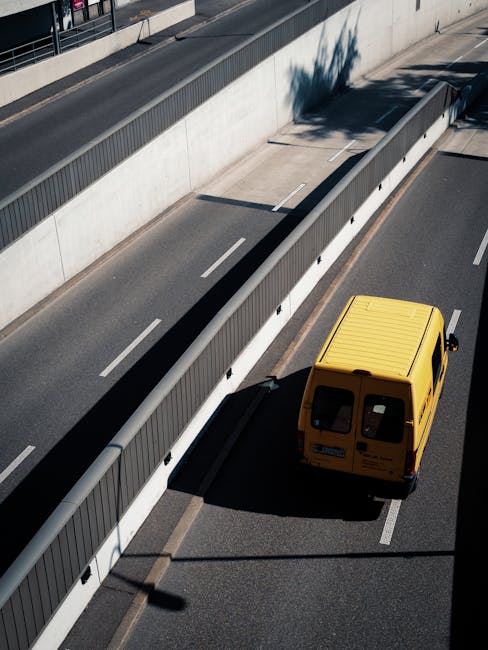
Man and van in Bow

Bow Man And Van provides man and van in Bow for home moves, furniture transport and practical removal work across the local area. The service is designed for customers who need a flexible vehicle and careful handling without booking a full-scale removal team. Our approach suits single items, part loads and smaller household relocations where loading, securing and straightforward delivery matter as much as the journey itself.
The work can include collecting furniture, moving boxes between properties, transporting belongings after a sale or tenancy change, and helping customers shift items that are awkward to carry alone. We also support removal services for people who want a broader moving option, with the same emphasis on careful handling and clear communication. If you need a practical move arranged around access, timing and the shape of the load, start by requesting a quotation.
We keep the service focused on the essentials: the right vehicle, sensible loading, and a route that suits the items being moved. That means considering whether the job is best handled as a one-off collection, a same-day transfer of a few items, or a larger move that needs additional planning. Every job is different, so the most useful quotation is one based on the specific items, the collection and delivery points, and any access details that affect loading.
Home moves and part-load removals
For domestic customers, our home-moving work is often the simplest way to move belongings without arranging a full house clearance or a large removals crew. It can suit studio flats, shared homes, rented properties and smaller houses where only part of the contents need transporting. A man and van arrangement is also useful when the move involves a mixture of furniture, bags, boxes and smaller household goods that need to travel together in a single load.
Where a move is more substantial, we can discuss the balance between vehicle space, access and handling so that the plan reflects the actual job rather than a one-size-fits-all package. This is especially helpful when there are larger items such as beds, wardrobes, sofas or appliances. In those cases, careful preparation and practical loading order make a real difference, and a quotation request should describe the furniture that needs moving rather than just the number of rooms.
What the service can cover
The same moving process can be adapted to different domestic tasks. Typical work may involve one collection point, multiple stops, or a direct delivery between properties. It may also involve moving items from storage, taking belongings to a new address, or transporting purchases from a shop or private seller. To keep things manageable, it helps to think in terms of items, access and distance rather than assuming every move needs the same approach.
Furniture transport and item collections

Furniture transport is a major part of the service, particularly when customers need help with bulky pieces that are difficult to fit into a car. We can move tables, chairs, wardrobes, cabinets, chests, shelving and other household furniture that benefits from a dedicated van and sensible handling. The point is not just to move the item, but to move it in a way that helps avoid unnecessary strain, scuffs and awkward lifting.
This kind of work is often well suited to customers who have bought or sold a single item online, are changing a room layout, or need a piece delivered to another property. A careful collection service matters when access is tight, the item is heavy, or there is a need to bring it through communal areas. Our furniture pick-up option supports these smaller but still important transport jobs, while the van size and loading method can be matched to the item itself.
In practice, furniture transport tends to work best when the details are clear. If an item is awkward, fragile, dismantled or especially heavy, that should be mentioned in the quotation request. It helps us plan the order of loading and make sensible decisions about space and handling. For some customers, the main concern is speed; for others, it is keeping a clean delivery route and moving the item intact. Both can be accommodated with the right information.
Packing support and careful loading
Not every customer wants or needs full packing, but some jobs benefit from a little extra preparation before the van arrives. We can discuss packing and unpacking services where items need organising into suitable containers, stacked in a stable way, or separated so that fragile belongings travel safely. This is especially useful when a move includes mixed household contents rather than only large furniture.
Good loading begins before the first item reaches the vehicle. Boxes should be closed properly, soft items should be grouped sensibly, and heavier contents should not be left loose among delicate pieces. For those arranging a move themselves, it is often helpful to keep a simple list of the larger objects, note any awkward items, and identify anything that needs dismantling before collection. These steps make the journey smoother and can reduce surprises on the day.
If you are deciding whether to pack everything in advance or leave some of the preparation until later, the main question is how much handling the items will need in transit. A careful, organised load travels better than a hurried one. Practical preparation is not about making the job more complicated; it is about making the move more predictable, especially when several rooms’ worth of belongings are involved.
Office moves and business transport

We also support business customers with office removals and related transport where furniture, equipment and files need moving efficiently between premises. This may include desks, chairs, storage units, boxed paperwork, small appliances or packed items from a workspace that is changing address. The emphasis is on keeping the move organised so that the business can continue with as little disruption as possible.
Office and commercial moves usually benefit from a clear list of items, access notes and a sensible sequence for loading. Even a small relocation can involve several categories of things that need different treatment, such as monitors, filing, IT equipment and meeting-room furniture. The more the load is described in advance, the easier it is to match the vehicle and handling to the task. For some customers, that means one van and a few strong pairs of hands; for others, it means separating the move into stages.
Business transport is often less about dramatic lifting and more about reliability. An office may need a furniture move outside trading hours, or a single delivery may have to reach a site with restricted access. Because those details affect the plan, a quotation should include the destination, floor level if relevant, and anything that might affect loading or unloading. That keeps the arrangement practical and avoids assumptions.
Household moves with clear planning
For customers who are moving a whole home rather than just a few items, our house-moving options provide a straightforward way to combine transport and handling in one arrangement. The work can cover beds, mattresses, sofas, tables, boxes and general household contents, and it can be adapted to the size of the property. House removals are often chosen when the move is more than a simple collection but still benefits from a direct, focused service rather than a large multi-team operation.
One of the advantages of a man and van approach is flexibility. It can suit a move out of a flat, a transfer between rented homes, or a smaller family move where the amount of furniture does not justify a bigger vehicle than necessary. Careful scheduling and well-organised loading become more important when the load includes mixed items, narrow stairways or shared entrances. The aim is to move the contents in a way that feels controlled from start to finish.
If you are preparing for a house move, a simple inventory of the larger items is useful, especially where dismantling or reassembly will be needed. You do not need a polished checklist; even a rough list helps shape the quotation and allows the move to be planned more accurately. Two clear details usually matter most: what is being moved, and where it needs to go.
About Bow
Bow is an East London district with long historical layers and a strong transport identity. It lies within the London Borough of Tower Hamlets and sits close to Mile End, Stratford and Bromley-by-Bow, with the district historically shaped by road routes crossing east from the City. The area takes its name from the bow-shaped medieval bridge over the River Lea, a reminder of older crossings and boundaries that influenced movement through east London for centuries. In modern Bow, that transport story is still visible in the mixture of rail, Underground and main road links that pass through the district and connect it to surrounding neighbourhoods. Bow Church, Bow Road and the nearby sections of the Lea Navigation all contribute to the area’s recognisable geography, while the presence of Victoria Park to the west offers a major open space within easy reach of local streets. Bow also has a varied built environment, with terraced housing, post-war estates, newer developments and traces of older industrial land use. The district is close to the route of the A12 and to the wider corridor leading toward the Docklands and the Lower Lea Valley, so its character has been shaped by both residential life and movement across London. Local landmarks and institutions include Bow Church, the surrounding conservation areas, and the nearby edges of the Queen Elizabeth Olympic Park district, which has altered the wider area’s profile in recent years. Bow therefore combines a compact neighbourhood feel with strong connections to the rest of the capital, making it a recognisable part of east London with a layered history and an active urban landscape.
Pricing, access and quotation details

Moving costs usually depend on the volume of items, the distance involved, access at each address and the time needed to load and unload safely. That means the same service can look different from one job to the next, even when the service type is broadly similar. A short local collection of a few items may need far less time than a multi-stop move with stairs, parking restrictions or difficult access. The most useful quotation is one that reflects the actual work rather than a generic estimate.
When you request a price, it helps to mention whether the load includes heavy furniture, fragile goods, dismantled pieces or anything that requires extra care. It also helps to say whether the collection and delivery points have lifts, narrow entrances or limited parking. Pricing and quotes should make the process clearer, but the most accurate figures still come from a description of the job itself. That way, the arrangement is based on real requirements rather than assumptions.
For many customers, the key is to keep the enquiry straightforward. You do not need to write a long explanation; a clear summary of the items, the locations and the preferred moving date is usually enough to begin. If the move is urgent, if there are time constraints, or if the job involves several separate pieces, say so at the outset. That lets the quotation reflect both the transport and the handling needed for the work.
Transport options and related removal work
Some customers only need a van for transport, while others need a broader removal service that can handle different types of moving work. We offer related options such as man with van and removal services to reflect those different needs. The choice usually comes down to how much help is required with lifting, how much needs to be moved, and whether the job is a single collection or a more structured relocation.
There are also cases where customers are not moving a property at all, but still need reliable transport for larger items. A purchase from a shop, a marketplace collection, a storage transfer or a one-off delivery can all be handled in a similar way. In those situations, the important questions are the item’s size, its weight, and whether it needs two people to carry safely. Keeping the service flexible means we can match the vehicle and handling to the actual task.
When comparing transport options, it is worth thinking about convenience as well as size. A van that is too small can create unnecessary trips, while a vehicle that is larger than needed may not be the most practical choice for a simple job. The best option is the one that handles the load properly and fits the access at both ends. If you are unsure which option suits your move, a clear quotation request is the simplest place to start.
Requesting a quotation for your move

If you would like a quotation for Bow Man And Van, the most helpful information is the type of items, the collection and delivery locations, and any access details that may affect loading. A short description is enough to begin, especially if you mention whether the job is a full move, a furniture collection or a smaller part-load transport. Contact us when you are ready to discuss the move and receive a quotation based on the work you actually need.
For larger or mixed loads, it can also help to mention whether there are stairs, lifts, restricted parking or items that need to be dismantled. Those details are not there to complicate the enquiry; they are there so the quote can reflect the real time and handling involved. If you already know the preferred date, that is useful too, but the main starting point is always the load itself and where it needs to travel.
Whether you are moving one item or several rooms’ worth of belongings, our aim is to keep the process practical, clear and suited to the job. A brief enquiry is usually all that is needed to begin. Request a quotation today if you want a straightforward man and van service in Bow with the transport arranged around your items, your access and your schedule.