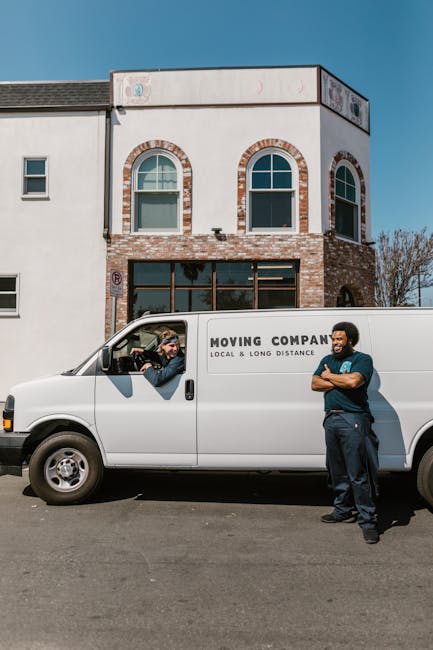
Devons Road man and van tips for narrow access moves
If you are planning a move around Devons Road, you will already know the problem before you even book the van: tight entrances, awkward stairwells, limited parking, and the kind of narrow access that can turn a simple job into a puzzle. The good news is that with the right prep, Devons Road man and van tips for narrow access moves can make the whole process feel calm, organised, and a lot less stressful than it looks on paper. In this guide, we will cover what actually helps on the day, how narrow access moves work, where people usually go wrong, and when it makes sense to bring in a local man and van service in Bow or a wider removal service.
Truth be told, narrow access moves are rarely about brute force. They are about planning, measurement, timing, and not pretending a sofa can magically bend around a corner. Let's walk through the practical side properly.
Why Devons Road man and van tips for narrow access moves matters
Devons Road sits in a part of London where movement is often shaped by the street rather than the plan. That sounds obvious, but it matters. A move can be perfectly organised in the home and still slow down fast if the doorway is tight, the pavement is busy, or the van cannot park close enough to the entrance.
Narrow access moves matter because every extra step has a cost: more time, more lifting, more risk of damage, and more pressure on the people doing the carrying. Even a few metres can feel like a small hill when you are moving wardrobes, mattresses, or boxes that have been packed a bit too enthusiastically on a Sunday night.
In Bow and the Devons Road area, the usual pain points include:
- tight hallways and staircases
- shared entrances and buzzer access
- limited kerbside space
- parked cars blocking loading positions
- courtyards or side paths that look usable but are not ideal for larger items
- low ceilings, door frames, and awkward turning points
Getting the detail right can be the difference between a move that feels controlled and one that turns into repeated back-and-forth carrying. That is why local knowledge helps. A mover who understands the area tends to think about access before arrival, not after the first sofa gets stuck halfway through the hallway.
For people comparing options, it can also help to look at the wider moving picture. Pages like house removals in Bow, flat removals in Bow, and furniture removals in Bow are useful if your move is part of a larger home relocation rather than a quick single-item job.
How Devons Road man and van tips for narrow access moves works
A narrow access move works best when the job is treated like a route plan, not just a loading job. The van is only one part of the operation. The access path from property to vehicle matters just as much, maybe more.
In practice, the process usually looks like this:
- Assess the access points. Check the front door, communal hallway, stairs, lifts, gates, and any side route that may be used.
- Measure the largest items. Sofas, beds, wardrobes, white goods, and desks often decide the moving strategy.
- Plan the vehicle position. A shorter walk to the van can save a surprising amount of time and energy.
- Prepare the property. Remove obstacles, protect corners, and clear the route to the exit.
- Load in the right order. Heavy and awkward items go in first, with fragile items secured properly.
- Adapt on arrival. If the route is tighter than expected, the crew may need to change the carry method, use more people, or split the load.
That flexibility is the real skill. Not every access issue can be solved with the same method. A narrow staircase is different from a narrow doorway, and a basement flat is different again. One size does not fit all, which is a relief because moves are complicated enough already.
If you are choosing between service levels, the relevant pages on man with a van in Bow, man with van in Bow, and removals in Bow can help you understand which type of move is best suited to your situation.
Key Benefits and Practical Advantages
When narrow access is handled well, the benefits are immediate. You do not just save time. You reduce friction, stress, and the chance of damage. And in moving, damage is the thing nobody wants to deal with at 7pm while staring at a scratched sideboard.
- Less carrying distance. If the vehicle is parked well, each item spends less time in transit by hand.
- Lower risk of scrapes and knocks. Good planning protects walls, door frames, bannisters, and furniture edges.
- Better time control. You are less likely to drift into delays because the route is already thought through.
- More efficient labour use. Crews can focus on safe lifting rather than improvising around avoidable obstacles.
- Less pressure on moving day. That matters more than people admit. A calmer move is usually a safer move.
There is also a confidence benefit. When you know the access has been checked properly, the day feels manageable. You stop worrying about the what-ifs and start focusing on the simple next step: box by box, item by item.
Expert summary: Narrow access moves are won before the van arrives. Measure, clear, protect, and communicate early. The more precise the handover, the smoother the job.
If your move also involves storage or staging items before the final delivery, you may want to look at storage in Bow and packing and boxes in Bow so you are not trying to solve every problem at the curbside.
Who This Is For and When It Makes Sense
This advice is especially useful if you live in or around Devons Road and any of the following sounds familiar:
- your property is a flat with stairs or a shared entrance
- the road outside is busy, narrow, or difficult to stop on
- you are moving one or two large items rather than a full household
- you have a delivery or collection that must happen within a tight time window
- you are moving as a student, tenant, first-time buyer, or downsizer
- you are dealing with furniture that was built in place and never meant to leave by the same route
It is also a good fit for people who do not want the scale of a full removals team but still need reliable help. A local student removals service can be ideal for smaller loads, while office users or business owners may need something closer to office removals in Bow if desks, IT kit, and filing equipment are involved.
Not every move needs the biggest possible vehicle. Sometimes the smartest choice is the one that fits the building, the street, and the item list. Sounds simple, and yet that is where people often trip up.
Step-by-Step Guidance
Here is a practical way to approach a narrow access move around Devons Road without turning it into a last-minute scramble.
1. Survey the access route in advance
Walk from the front door to the van space. Look for width constraints, awkward corners, low hanging fixtures, and anything that could catch on a mattress or wardrobe. If you can, measure the narrowest points. Do not rely on memory. Memory has a habit of becoming optimistic when you are under pressure.
2. Measure the big items, not just the rooms
Room size does not tell the full story. A sofa might fit the lounge easily, but the staircase bend may be the real challenge. Measure the longest side, the height, and the diagonal where relevant. If an item is borderline, tell the mover before the day rather than after everyone is already sweating slightly.
3. Decide what should be dismantled
Disassembly is often the simplest fix for access problems. Bed frames, wardrobes, table legs, and some shelving units can usually be broken down. Keep screws and fittings in labelled bags, ideally taped to the correct item or packed in a clearly marked box.
4. Protect the route
Lay down floor protection where needed and pad corners or bannisters if there is a risk of contact. Even careful movers can brush a wall on a tight turn. A bit of protection can save a lot of repair hassle.
5. Clear parking and loading options
Check where the van can stop without blocking access or causing a problem for neighbours. If there is only one realistic loading point, keep the route clear and let the crew know exactly where it is. In narrow streets, a few minutes of blocked access can feel like forever.
6. Load with sequence in mind
Load the van so the largest and most stable items go in first. Fill gaps with boxes and soft items to stop movement during travel. The point is not to cram everything in. The point is to make sure it stays where it belongs once the van starts moving.
7. Keep a contingency plan
If access is tighter than expected, be ready to change the approach. Maybe the item needs to be carried on its side. Maybe the van needs to be parked slightly further away. Maybe the job needs another pair of hands. That flexibility is normal, not a failure.
Expert Tips for Better Results
Here are the small things that make a big difference. Most of them are not glamorous, but neither is moving day, to be fair.
- Photograph awkward access points. A quick photo of the hallway, gate, or staircase helps the mover judge the plan before arrival.
- Label fragile and priority items clearly. This is especially helpful if the move is split between rooms, storage, and the van.
- Keep parking information precise. "There's space outside" is vague. "There's one loading bay on the left side of the road" is much better.
- Leave a clear walking lane. Shoes, bags, recycling, prams, and random clutter all slow things down.
- Move smaller items first if access is tight. Sometimes clearing the route with boxes makes the larger furniture move easier a few minutes later.
- Use the right team size. A one-person job and a two-person job are not interchangeable. If an item is bulky, extra hands are worth it.
A little planning also helps with service selection. If you need a quick same-day job, same-day removals in Bow can be a practical option, while more complex jobs may be better handled as part of a broader service package.
And yes, some moves are just awkward. That is normal. The trick is not to pretend they are easy. The trick is to make them predictable.
Common Mistakes to Avoid
Most access problems are made worse by one of a few common mistakes. If you avoid these, you are already ahead.
- Guessing measurements. "It should fit" is not a measurement.
- Leaving access checks until moving day. By then, everyone is committed and time is tight.
- Assuming the van can park right outside. In London, that can be wishful thinking.
- Forgetting about communal areas. Shared hallways and stairwells can be more restrictive than the flat itself.
- Trying to move overpacked boxes. They are harder to carry, more likely to split, and frankly nobody enjoys them.
- Not warning about unusual items. Pianos, mirrors, artwork, and oversized furniture need special care.
One of the sneakiest mistakes is underestimating how access changes the job length. A move that would take an hour with easy access can take much longer when every trip involves extra steps and careful turning. That does not mean the job is impossible. It just means the plan needs to be honest.
Tools, Resources and Recommendations
You do not need a truckload of specialist equipment for a narrow access move, but a few practical tools help enormously:
- measuring tape for doors, stairwells, and furniture
- furniture blankets or pads to prevent scratches
- stretch wrap for drawers, doors, and loose parts
- trolley or sack barrow for safer movement of heavier boxes
- labels and marker pens for clear box identification
- gloves with grip for handling awkward items safely
For packing support, the service page on packing and boxes is useful if you are still working through what should go where. And if the item list includes fragile or specialist pieces, such as instruments or heavier furniture, you may want to explore piano removals in Bow or the more specific furniture moving options.
A quick recommendation from experience: keep a small "first-out, last-in" box with essentials you will need straight away. Kettle bits, phone charger, basic tools, documents, toilet paper. You will thank yourself later. Everyone says this, and then everyone wishes they had done it.
Law, Compliance, Standards, or Best Practice
Narrow access moves are not usually about formal regulation in the way a construction site might be, but there are still important standards and duties to think about. A reputable mover should work safely, handle goods carefully, and be clear about the limits of what can be done without risking injury or damage.
In practical terms, best practice includes:
- safe manual handling and sensible team lifting
- clear communication about access constraints
- respect for shared spaces and neighbours
- appropriate vehicle positioning without blocking emergency access
- careful packing and securing of items during transit
If you are comparing providers, it is sensible to review their approach to insurance and safety, and to check the wider service information on services overview and terms and conditions. Those pages help set expectations around responsibility, booking terms, and what happens if access is more difficult than first described.
There is also a courtesy side to all this. In a dense London street, being neat, quick, and considerate matters. So does giving accurate details up front. It keeps everyone on the same page and reduces the likelihood of friction on the day.
Options, Methods, or Comparison Table
If you are deciding how to handle a narrow access move, the table below gives a simple comparison of common approaches.
| Option | Best for | Advantages | Watch-outs |
|---|---|---|---|
| Small man and van | Single items, small flats, tight streets | Flexible, easier to park, often quicker for local jobs | May need extra trips if the load is larger than expected |
| Two-person removal team | Bulky furniture, awkward stairs, shared access | Better for safe lifting and handling larger pieces | Costs more than a solo mover and may need more booking lead time |
| Full removals service | Whole-home moves, mixed furniture, complex access | More support, better for larger or more delicate jobs | May be more than you need for a small local move |
| Self-move with hired van | Very small budgets, simple loads, confident lifters | Maximum control over timing | Highest physical effort and more risk if access is tight |
For many Devons Road moves, a local man and van setup is the sweet spot. It is nimble enough for awkward access, but still practical enough for common household items. If your move turns out to be bigger than planned, a broader removal company in Bow may be the safer fit.
Case Study or Real-World Example
Here is a realistic example. A resident moving out of a second-floor flat near Devons Road had a standard sofa, a bed frame, three medium bookcases, and around twenty boxes. The access looked simple at first glance, but the staircase had a hard turn halfway up and the pavement outside was narrow enough that parking right by the door was not realistic.
The move worked because the planning was done early. The sofa was measured properly, the bed was dismantled, and the larger bookcases were split before moving day. The mover was told about the staircase bend in advance, so the team came prepared with protective covers and a better carry plan. Instead of trying to force the sofa through in one go, they adjusted the angle and used a two-person lift with a short pause at the landing.
Nothing dramatic happened. Which is usually the best outcome. No wall scuffs, no last-minute panic, no groaning from the neighbours, and no need to pretend a wardrobe is "probably fine" when clearly it is not. The whole job felt slower than a straight-line move, but still tidy and controlled.
That is the lesson, really. Narrow access moves are not about speed alone. They are about making the difficult parts manageable.
Practical Checklist
Use this checklist before your move day.
- Measure all major furniture and the narrowest access points
- Check stairs, lifts, gates, communal hallways, and door frames
- Confirm where the van can stop for loading
- Tell the mover about any tight corners, low ceilings, or awkward turns
- Dismantle furniture where possible
- Pack boxes so they are not overfilled
- Protect floors, walls, and bannisters
- Label fragile items and priority boxes
- Keep keys, access codes, and contact details ready
- Prepare an alternative plan if access turns out tighter than expected
If you are still at the planning stage, it can also help to read more about the local area and moving conditions through residents living in Bow and the Bow Road moving guide for E3 homes. Those pages are useful context if your move sits somewhere in the wider Bow and Devons Road area.
Conclusion
Narrow access moves around Devons Road are absolutely manageable when the plan is realistic. Measure properly, clear the route, choose the right team, and think about the van as part of a bigger access picture rather than the whole story. That one shift in mindset can save a lot of stress.
If your move is small, a flexible local setup may be enough. If it is bigger or more awkward, it is worth bringing in more support rather than hoping the problem disappears on the day. It usually does not. Better to plan once than to wrestle with the same corner three times.
Get a free quote today and see how much you can save.
And if you want to understand the people and standards behind the service, take a look at about us and then reach out via contact when you are ready. A good move can feel surprisingly light once the right hands are on it.
Frequently Asked Questions
What are the best Devons Road man and van tips for narrow access moves?
The best tips are simple: measure the access route, dismantle large items where possible, clear the path, and tell your mover about any tight turns or parking limits before moving day.
How do I know if my furniture will fit through a narrow doorway or stairwell?
Measure the widest and longest parts of the item, then compare those measurements with the doorway, landing, and turning points. If anything is close, do not guess. Ask the mover to assess it.
Is a man and van service suitable for narrow access moves?
Yes, often it is. A smaller, more flexible vehicle can be a strong choice for tight streets or awkward loading points, especially for smaller home moves or single-item jobs.
What should I tell the mover before booking?
Share the full access picture: stairs, lifts, parking, door widths, communal entrances, and any items that are unusually heavy, fragile, or difficult to dismantle.
Do I need to dismantle furniture for a narrow access move?
Not always, but it often helps. Beds, wardrobes, and table legs are common candidates for dismantling because they can make awkward turns much easier.
What if the van cannot park right outside my property?
That is common in London. A good mover will work with the next best loading point, though it may add carrying distance and time. Mention parking constraints early so the plan is realistic.
How can I protect walls and bannisters during a tight move?
Use furniture blankets, corner protection, and careful carrying angles. Even then, slow and steady is usually better than trying to rush through tight spaces.
Are narrow access moves more expensive?
They can be, because they often take longer and may require more labour or careful handling. The exact cost depends on the items, distance, and access conditions.
What is the biggest mistake people make with narrow access moves?
Underestimating the access. People often focus on the room size and forget the hallway, staircase, loading space, or turning points. That is where the real challenge usually lives.
Should I choose storage if my new place has poor access?
Sometimes, yes. If you cannot move everything in one go or the timing is awkward, short-term storage can reduce pressure and make the final delivery more manageable.
Can I book a same-day move if access is tight?
Sometimes you can, but it depends on availability and how complicated the access is. Tight access jobs are easier to handle when there is time to plan properly, though same-day support can still work for smaller loads.
How do I choose between a flat move and a full removals service?
If you are moving from a flat with limited access and a modest amount of furniture, a flat-focused service may be enough. For larger or more complex moves, a fuller removals service usually gives more support and flexibility.
What should I do on the morning of the move?
Clear the route, keep keys and contacts handy, confirm parking arrangements, and make sure any fragile or priority boxes are easy to identify. A calm start makes a big difference when the van arrives.